


DESCRIPTION
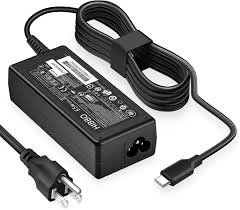
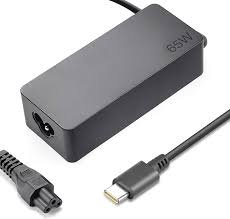
The term “big mouth charger” is a colloquial or descriptive name, not a standard product name. It most likely refers to a high-wattage, multi-port charger known for its large, powerful output and ability to charge multiple devices at once.
This type of charger is designed to replace the bulky, individual power bricks for a laptop, tablet, and smartphone with a single, compact unit. These chargers are typically powered by Gallium Nitride (GaN) technology, which allows them to be much smaller and more powerful than older chargers.
Key Features
- High Power Output:These chargers typically offer a total power output of 100W or more, with some models reaching up to 140W. This power is sufficient to fast-charge high-performance laptops like the MacBook Pro, Dell XPS, and powerful gaming laptops.
- Multiple Charging Ports:A defining feature is the inclusion of several ports, usually a combination of USB-C and USB-A. This allows you to charge your laptop, smartphone, tablet, and other accessories at the same time.
- Intelligent Power Distribution:The charger is equipped with a smart chip that automatically detects the power needs of each connected device. It allocates the optimal amount of power to each port, ensuring that your laptop gets the high wattage it needs while your phone receives a safe, fast charge without being over-powered.
- Compact & Portable Design:Thanks to GaN (Gallium Nitride) technology, these chargers are significantly smaller and lighter than the original laptop power bricks they replace. This makes them easy to carry in a bag or backpack, perfect for travel and commuting.
- Universal Compatibility:They support all major fast-charging protocols, including USB Power Delivery (USB-PD), and Programmable Power Supply (PPS). This ensures they can quickly and safely charge devices from virtually any brand, including Apple, Samsung, Google, and many more.
- Built-in Safety Features:They are designed with robust safety mechanisms to protect against common power issues, including over-voltage, over-current, short-circuiting, and overheating.







 No products in the cart.
Reviews
There are no reviews yet.